How New Grass Can Help Move Water Away From Your Yard
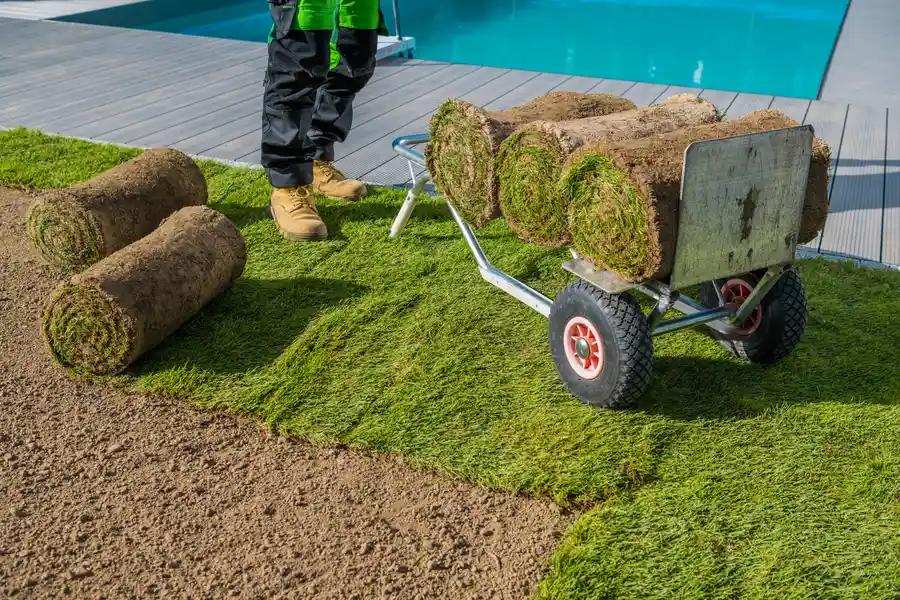
sod installation for better lawn drainage works by adding healthy grass and fresh soil that help water soak in and flow evenly. When your yard has thin grass, compact soil, or bare spots, water sits on top instead of draining. Laying new sod gives your lawn strong roots and a smooth surface, which helps reduce puddles and muddy areas.
Quick Diagnosis: Why Your Yard Holds Water
If you see puddles that stay for hours or even days, your lawn likely has poor drainage. Grass may look yellow in some spots and soggy in others. You might notice water running toward your house instead of away from it. These are signs your yard cannot absorb water the way it should.
sod installation can improve this by rebuilding the top layer of your lawn. But first, it helps to understand what is causing the problem.
Common Symptoms of Poor Drainage
Watch for these clear warning signs:
- Standing water after light rain
- Spongy grass when you walk on it
- Bare or thinning patches
- Mud that sticks to shoes and paws
- Mosquitoes gathering in wet spots
If you notice more than one of these, your lawn likely needs attention. Poor drainage does not fix itself. It often gets worse over time.
Likely Causes of Drainage Issues
Several problems can lead to standing water. One common cause is compacted soil. Heavy foot traffic, pets, and equipment press the soil down. This makes it hard for water to soak in.
Another issue is improper grading. If the yard slopes toward your home, rainwater has nowhere to go. Clay-heavy soil is another factor. Clay drains slowly and stays wet longer than sandy soil.
Old or damaged grass also plays a role. Weak roots cannot absorb much water. That is where sod installation makes a big difference. Fresh sod has a thick root system that helps move water into the ground.
What to Check Before Installing New Sod
Before starting sod installation, inspect your yard carefully. Look at how water flows during a rainstorm. Check the slope of the ground. A slight slope away from your home is best.
You should also test the soil. Dig a small hole about six inches deep. Fill it with water. If the water drains within an hour, the soil drains fairly well. If it sits longer, the soil may need improvement.
In some cases, basic lawn care steps like aeration or adding topsoil can improve results before new sod goes down.
Safe Fixes Vs Pro-Level Fixes
Some drainage fixes are simple. Others need professional tools and planning.
Safe steps you can try:
- Aerate compacted soil
- Add compost to improve soil structure
- Level small low spots with fresh soil
- Redirect downspouts away from the yard
Pro-level solutions may include:
- Full sod installation with soil prep
- Regrading the yard for proper slope
- Installing french drains or drainage pipes
- Large-scale soil replacement
If your yard has major pooling or water near the foundation, expert help is often the safer choice.
How Sod Installation Improves Drainage
sod installation does more than make your lawn look green. It creates a thick, even layer of turf that slows down surface runoff. The root system grabs onto soil and opens small pathways for water to move through.
During installation, the ground is usually loosened and graded. This step alone can fix minor drainage issues. Adding quality topsoil before placing sod also helps water soak in evenly.
When done correctly, sod installation becomes part of a larger service category keyword that improves both appearance and function. It strengthens your lawn from the ground up.
Prevention Tips for Long-Term Drainage
Once your new lawn is in place, simple habits protect your investment.
- Avoid heavy foot traffic when the soil is wet
- Mow at the proper height to support deep roots
- Water deeply but not too often
- Aerate once a year if soil feels compact
- Keep gutters and drains clear
Healthy grass roots are your best defense against drainage problems. When roots grow deep, they help the ground absorb rainfall naturally.
When to Schedule Professional Help
If water collects near your home’s foundation, or large areas stay muddy all season, it is time to call a professional. Drainage tied to grading or underground systems needs careful planning. A team can evaluate the full yard, not just one wet spot.
Get Help Improving Your Lawn Drainage
If your yard in Yuma, AZ struggles with standing water, we can help improve drainage with expert sod installation and proper grading. At Forever Green Landscaping Service, our team evaluates soil, slope, and runoff patterns before starting any work. Call us at (928) 222-4503 to schedule a lawn assessment and let us help you build a healthier, drier yard.